If a motorcycle model is still a worldwide success after more than forty years, there must be a reason.
It was 1980 when, at the Cologne show, BMW presented the R 80 G/S, a bike destined to change the idea of versatility on two wheels for ever.
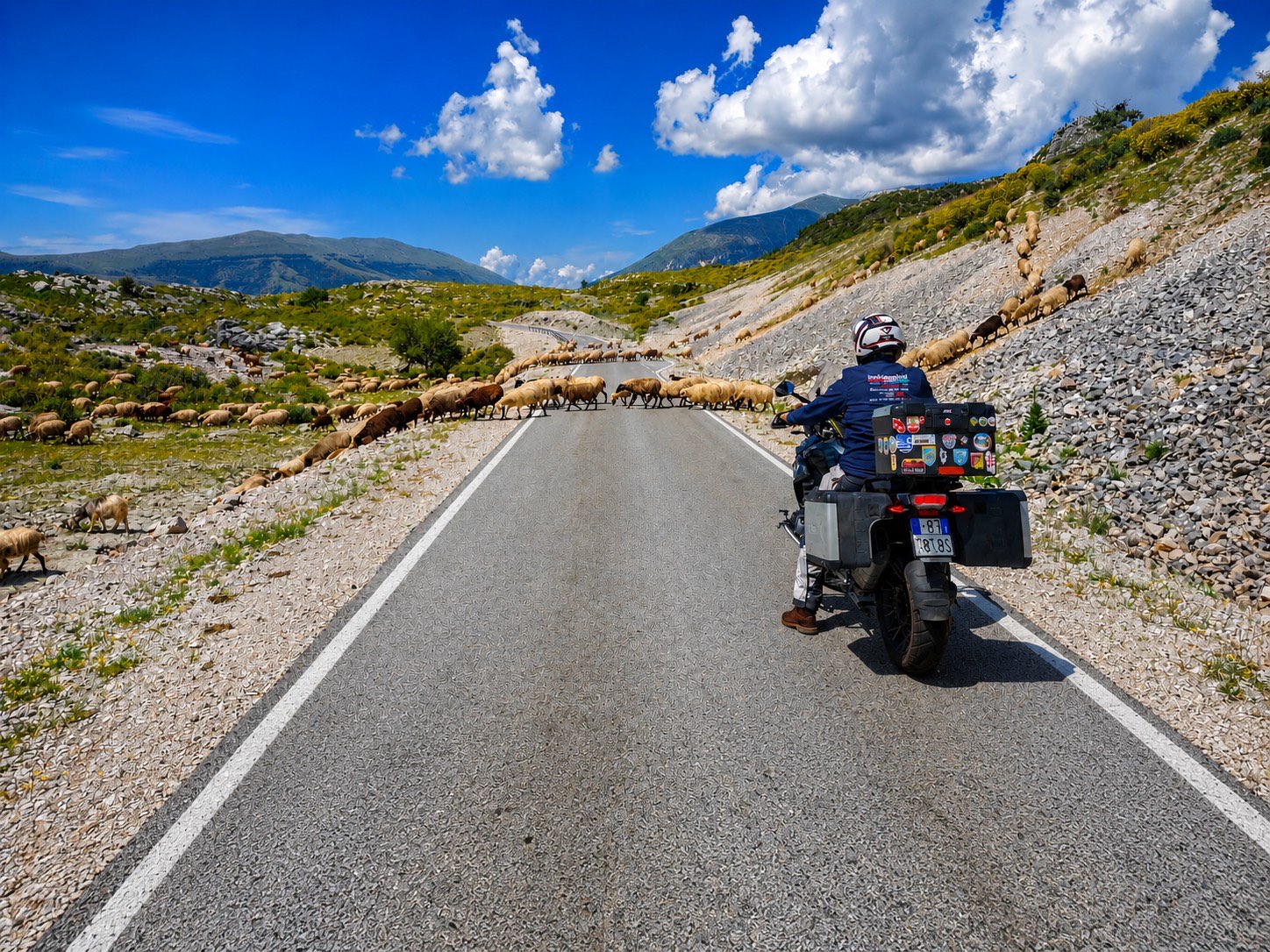
Until then, touring bikes able to offer comfort, even two-up and with luggage, were used almost exclusively on the road. In those years the market was also dominated by sports models, agile but not well suited to long distances. Then she arrived: the G/S, short for Gelände/Straße, “dirt/road”. The name itself held the promise of a bike ready to tackle any terrain, without compromise.
The evolution of an icon
Over the decades, the GS series has evolved without ever betraying its identity. Technology, electronics, comfort and safety have grown hand in hand, making the GS the absolute benchmark among road-going adventure bikes.
Naturally, many other manufacturers have followed the same philosophy, developing models based on the same concept: do-it-all bikes able to take you anywhere, from an adventurous trip to the daily commute.
In recent years the motorcycle scene has widened further with the arrival of “made in China” bikes, often sold under historic Italian brands. These products are increasingly well made, affordable and improving in quality, but they rarely manage to match the engineering solidity and technical identity built over decades by brands such as BMW.
The new GS 1300: innovation or teething troubles?
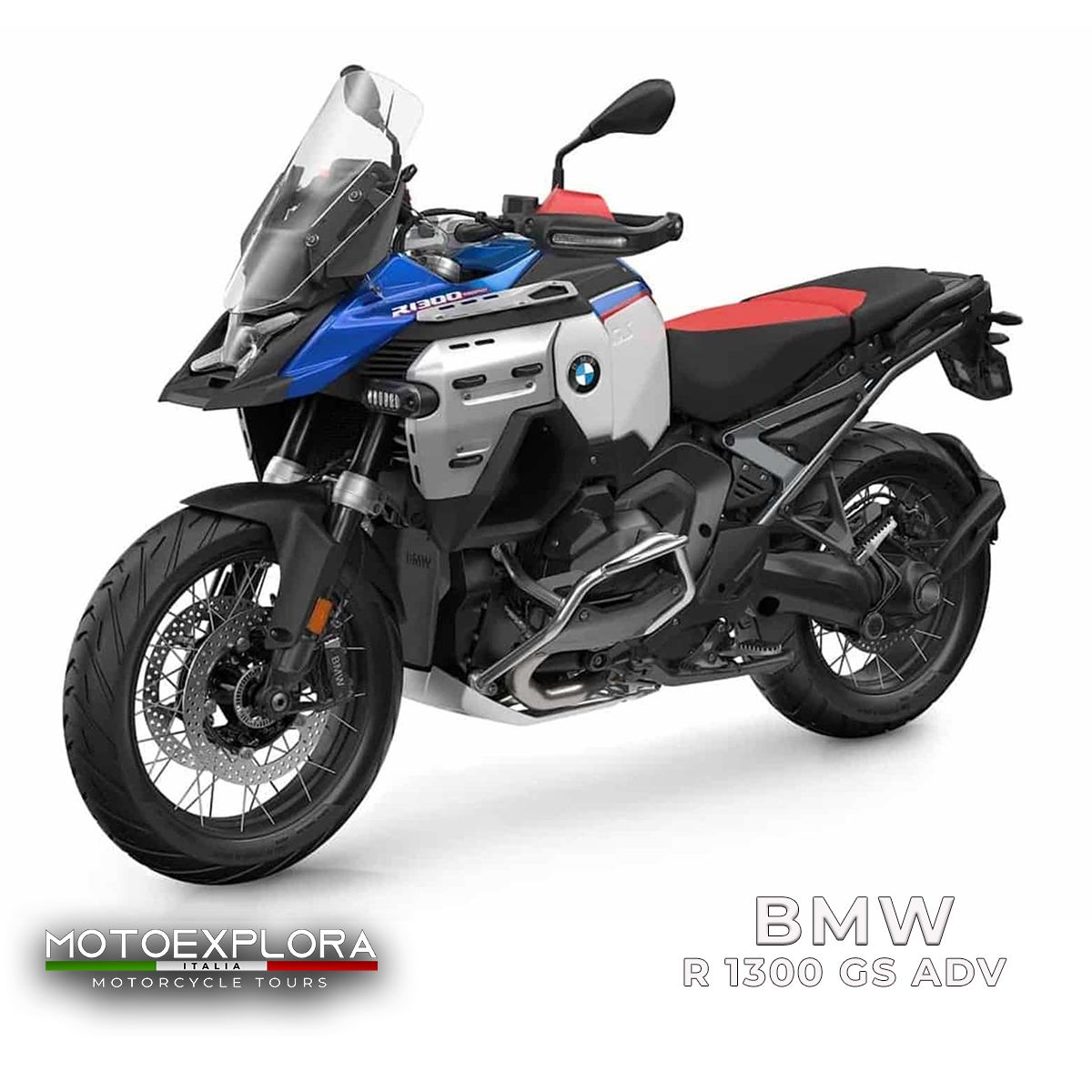
With the arrival of the new R 1300 GS, BMW has raised the bar of innovation even higher. A new engine, a lighter frame, latest-generation electronic suspension and space-age on-board electronics promise an unprecedented riding experience. However, as often happens with technical revolutions, the first bikes showed some issues that deserve attention.
Engine problems have been reported, in particular linked to the tightening of the connecting-rod bolts, which in some cases required the engine to be replaced completely. BMW dealt with the situation quickly, but the episode raised some doubts about the structural toughness of this new generation.
On top of this there are reports of electrical faults in the right-hand handlebar switch block, where damp can get in and cause malfunctions or sudden cut-outs. BMW has started a precautionary recall campaign, but the fact that the problem appears on such a technologically advanced bike gives food for thought.
The starter relay has also been the subject of a recall, and some owners have reported broken rear spokes, as well as shaft-drive problems. These are isolated episodes, but in such a sophisticated machine they add to a legitimate question: can the relentless pursuit of lightness and electronics put at risk the mechanical solidity that has always been the GS’s trademark?
At the moment there are not yet enough long-distance tests to assess the real durability of the new engine and the most delicate electronic components. As always, time – and kilometres – will tell whether the 1300 deserves the same reputation for reliability as its predecessor.
Balance as strength
Those who know the GS know it is not a bike that excels in a single discipline. It is not the most extreme off-road – where KTM, for example, is more specialised – nor the most powerful or fastest, like certain Ducatis. But it is precisely this balance, this being “excellent at everything and unbeatable overall”, that makes it a queen.
If we had to give it a mark out of 10, the GS would deserve a solid, consistent eight in every category. And in a world where absolute excellence in one field often means compromises elsewhere, this consistency becomes its real strength.
Technology, emotion and legend
BMW’s refined engineering also contributes to its success. The Telelever, a patent of the German manufacturer that separates the steering and suspension functions, gives unique stability and riding comfort, giving the rider a feeling of safety few other models can offer.
We could go on at length with technical comparisons and figures, but the reality is simpler: for more than forty years the GS has always been there, at the top of the sales charts and in the hearts of those who love travelling.
Some put its success down to the appeal of a status symbol, but that would be limiting. The GS is much more than a brand: it is a philosophy of travel, a way of living motorcycling in all its shades.
And in the end, perhaps, the secret of its legend lies right here:
two wheels, a helmet on your head and a horizon in front of you are all it takes to move the soul.
Peppe Pagano